Teradar
Teradar — From stealth to $200M funded: the brand and UX that turned terahertz science into an unstoppable category leader.
Discover how I led the ground-up rebrand and human-centered UX/UI overhaul for this Boston-based deep-tech innovator, creating a heroic, future-proof identity that helped secure $200M in funding and strategic Lockheed Martin partnerships ahead of launch.
Designing for Trust
Building a Brand-from-Zero for a company aiming to secure significant venture capital and strategic defense partnerships.
The Mandate: Elevating Perception to Secure Funding
When Teradar approached us, they possessed revolutionary Edge Computing technology powered by proprietary Terahertz (THz) vision technology—a core IP that provided unparalleled precision in processing complex, real-time traffic data. While the technology was groundbreaking, the visual identity and initial product concept lacked the professional gravitas and future-forward clarity required to earn the trust of top-tier VCs and strategic defense partners like Lockheed Martin.
My goal was clear: Transform the business perception into that of a stable, advanced, and trustworthy market leader. The design system had to visually communicate 'trust,' professionalism, and an unshakeable commitment to accuracy—a core requirement for any technology dealing with high-stakes traffic scenarios.
Phase 1
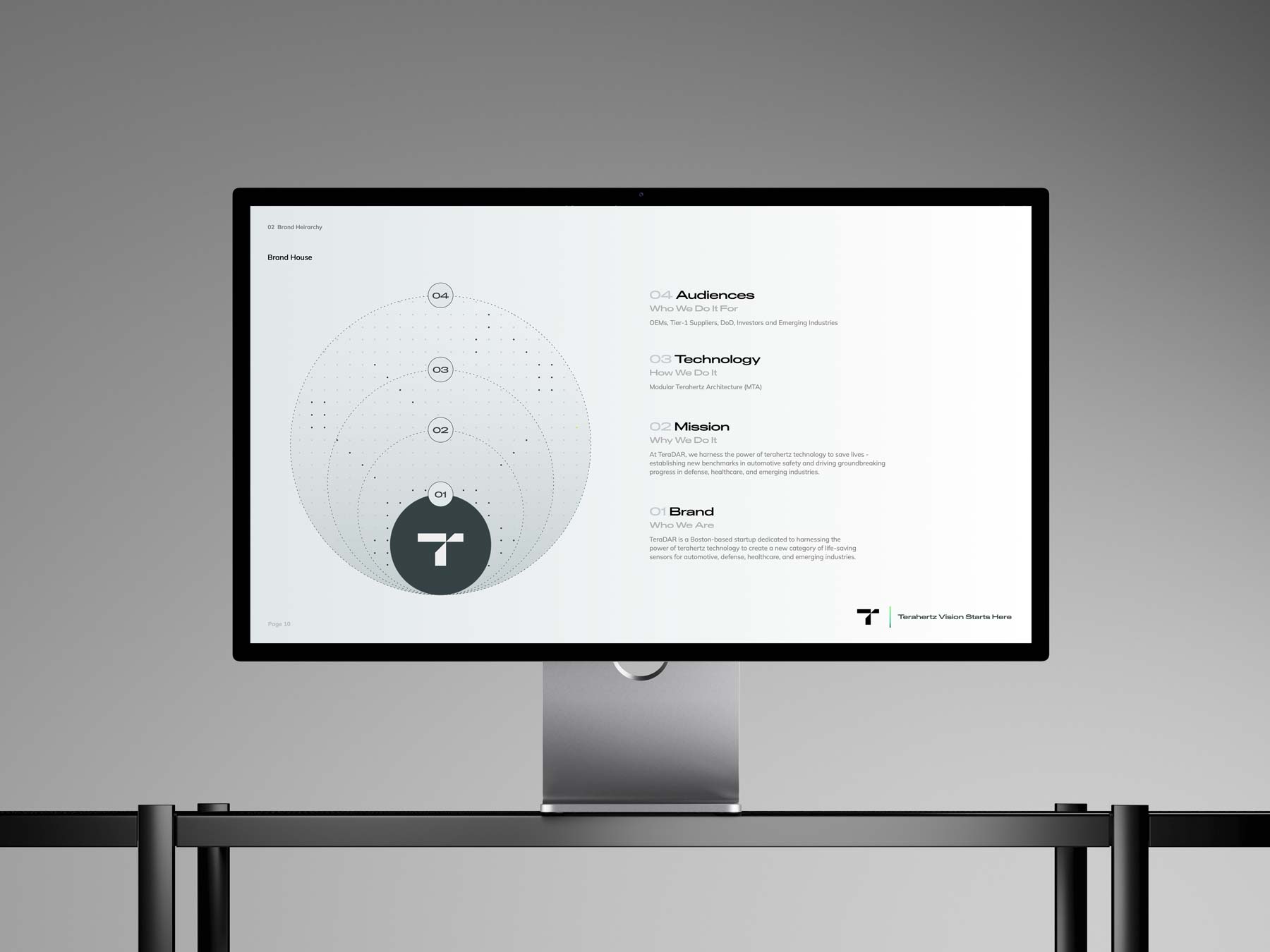
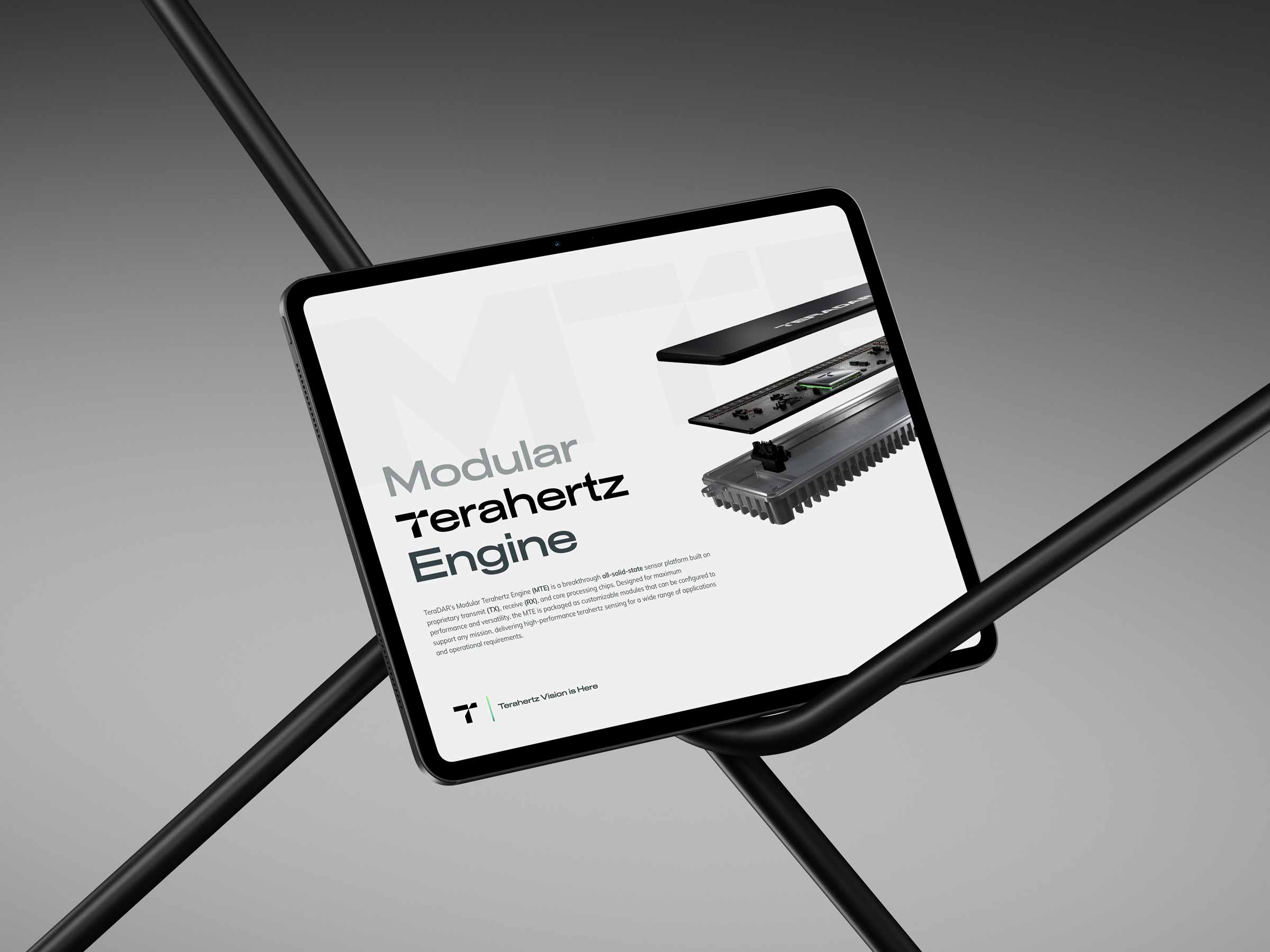
Brand Strategy & Creative Direction – The Foundation of Trust. We executed a comprehensive Brand Discovery phase, defining Teradar’s core attributes.
Our creative direction was immediately inspired by the unique properties of the Terahertz wavelength.
Brand Essence: "Intelligent Vision, Actionable Data."
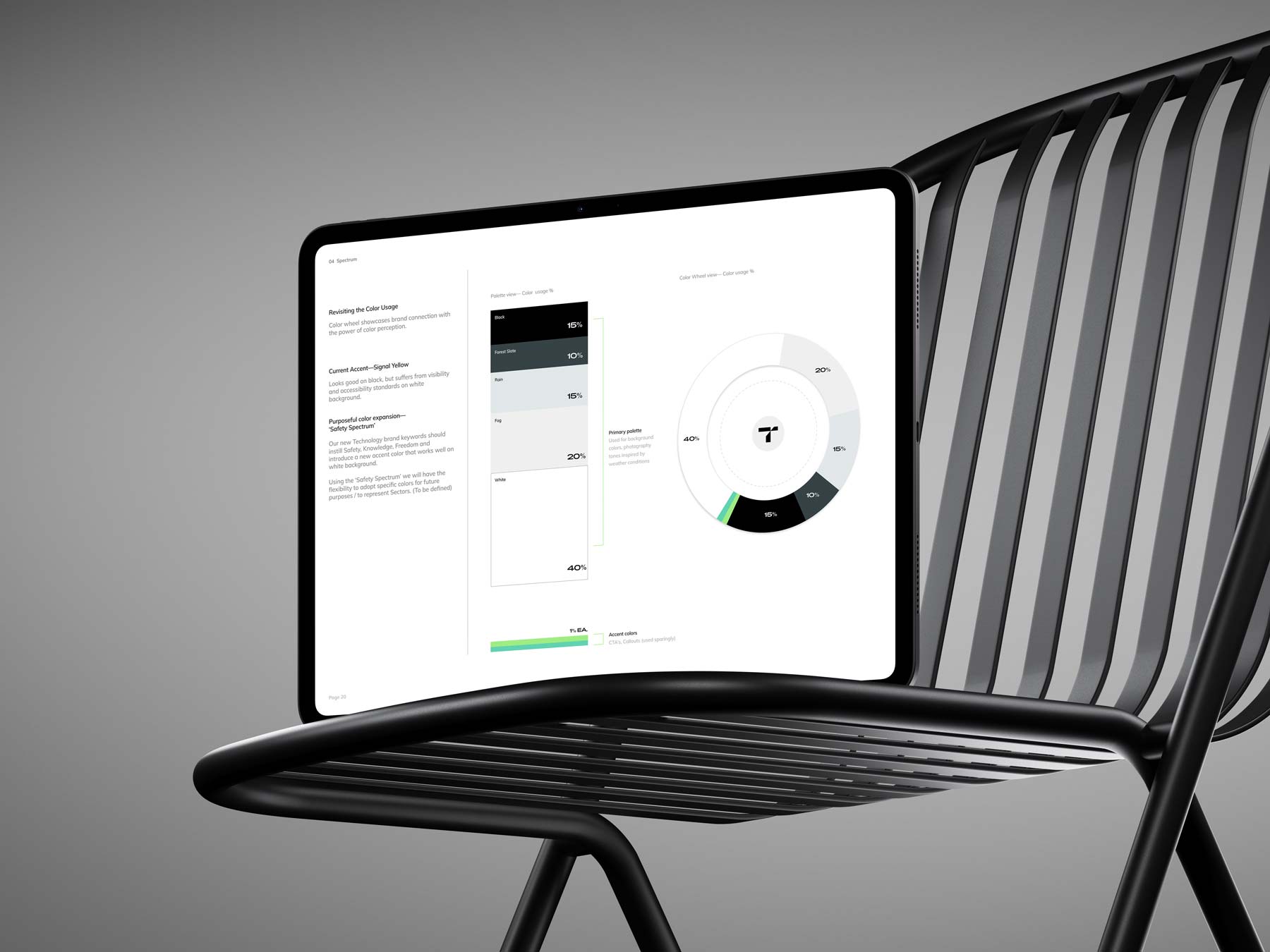
Visual Identity System (VIS): The design aesthetic was architected around visualizing the invisible. We adopted a dark, high-contrast palette, minimal chromatic noise, and focused high-fidelity data visualization—mirroring the clean, technical precision achieved by the THz sensing layer. This look draws inspiration from advanced thermal imaging and high-tech defense interfaces, reinforcing the perceived depth of the technology.
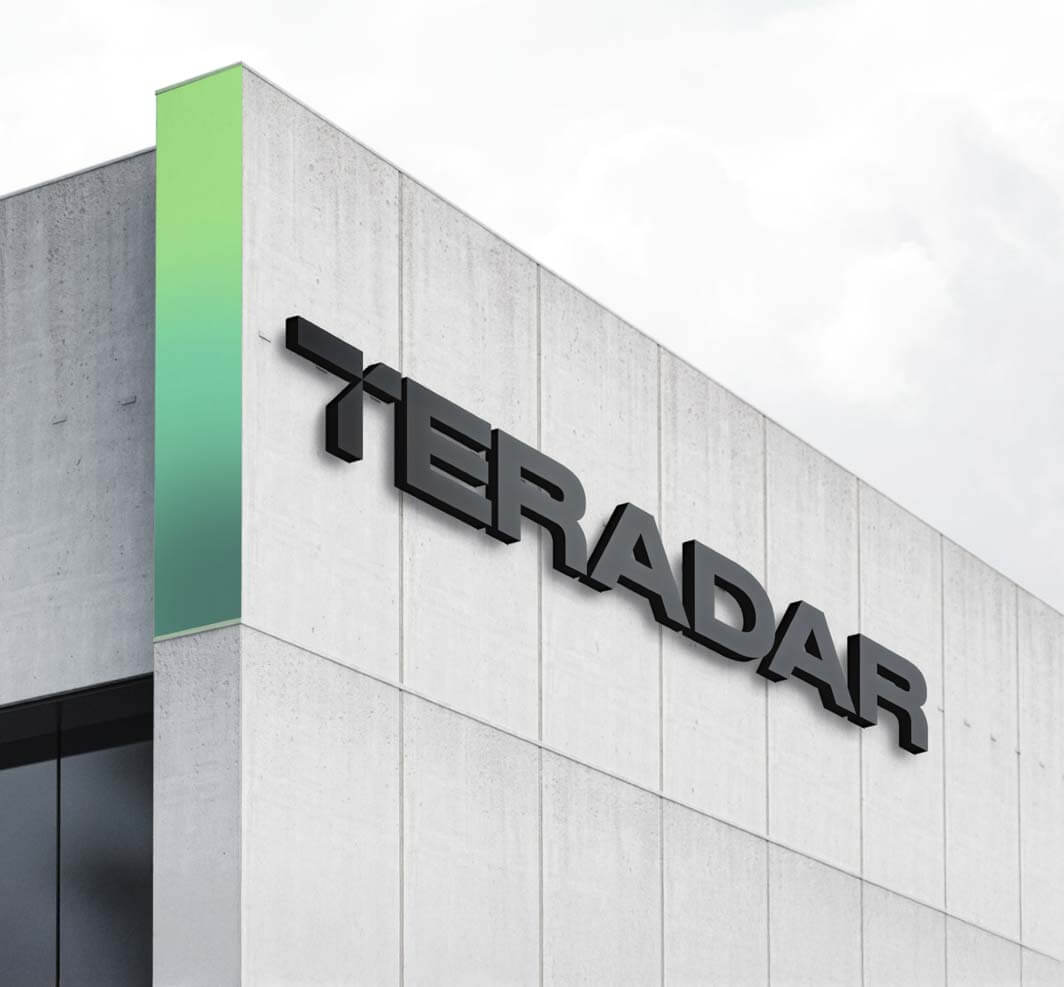
Logo and Typography
Result: The unified, polished brand, rooted in the Terahertz IP, immediately provided the signaling of maturity that was critical for early-stage fundraising presentations. The brand felt like a successful, established company—not a conceptual venture.
Phase 2
UX/UI Design – The 'Always scanning' Intelligence Interface & The Responsive Ecosystem
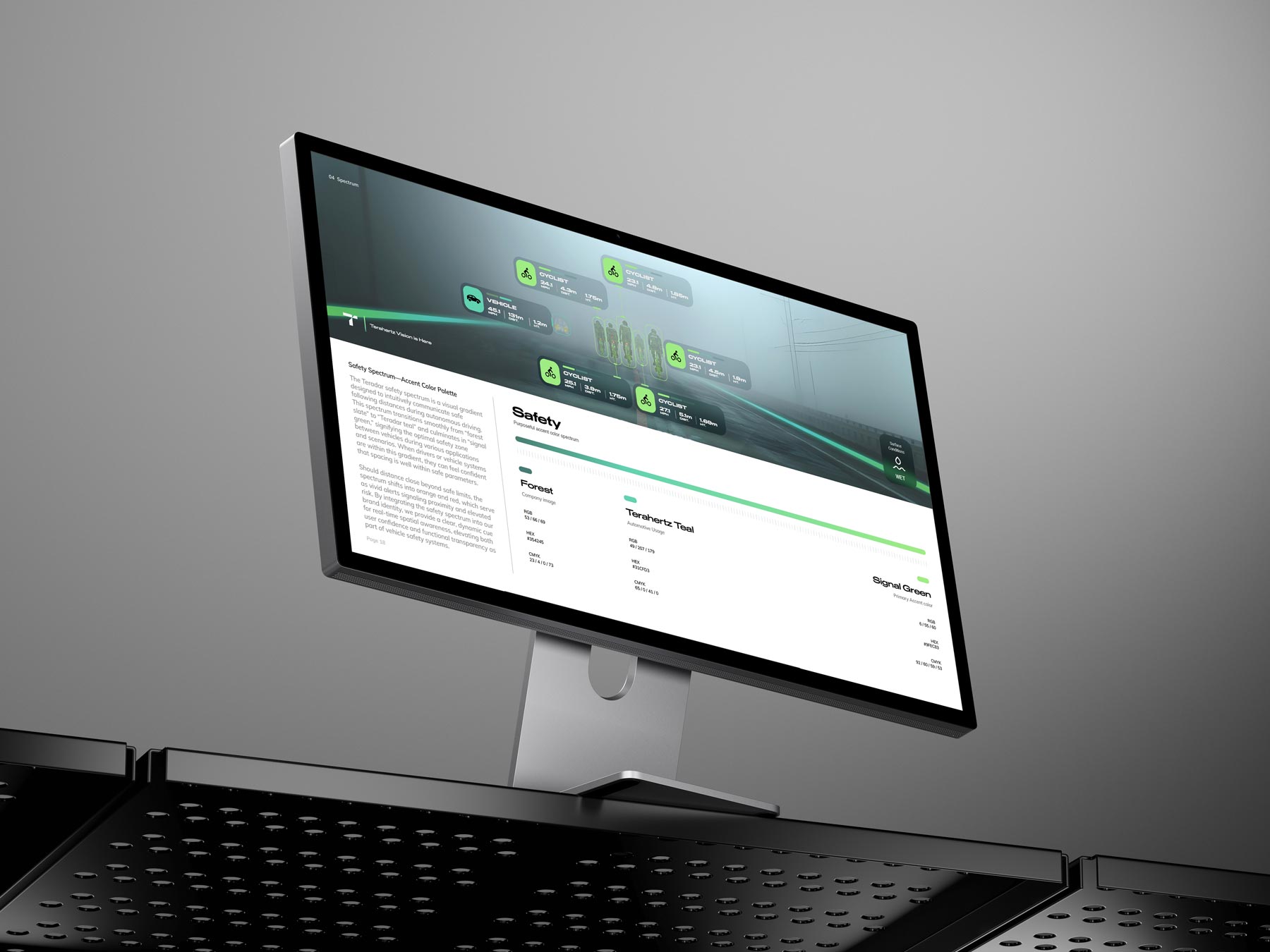
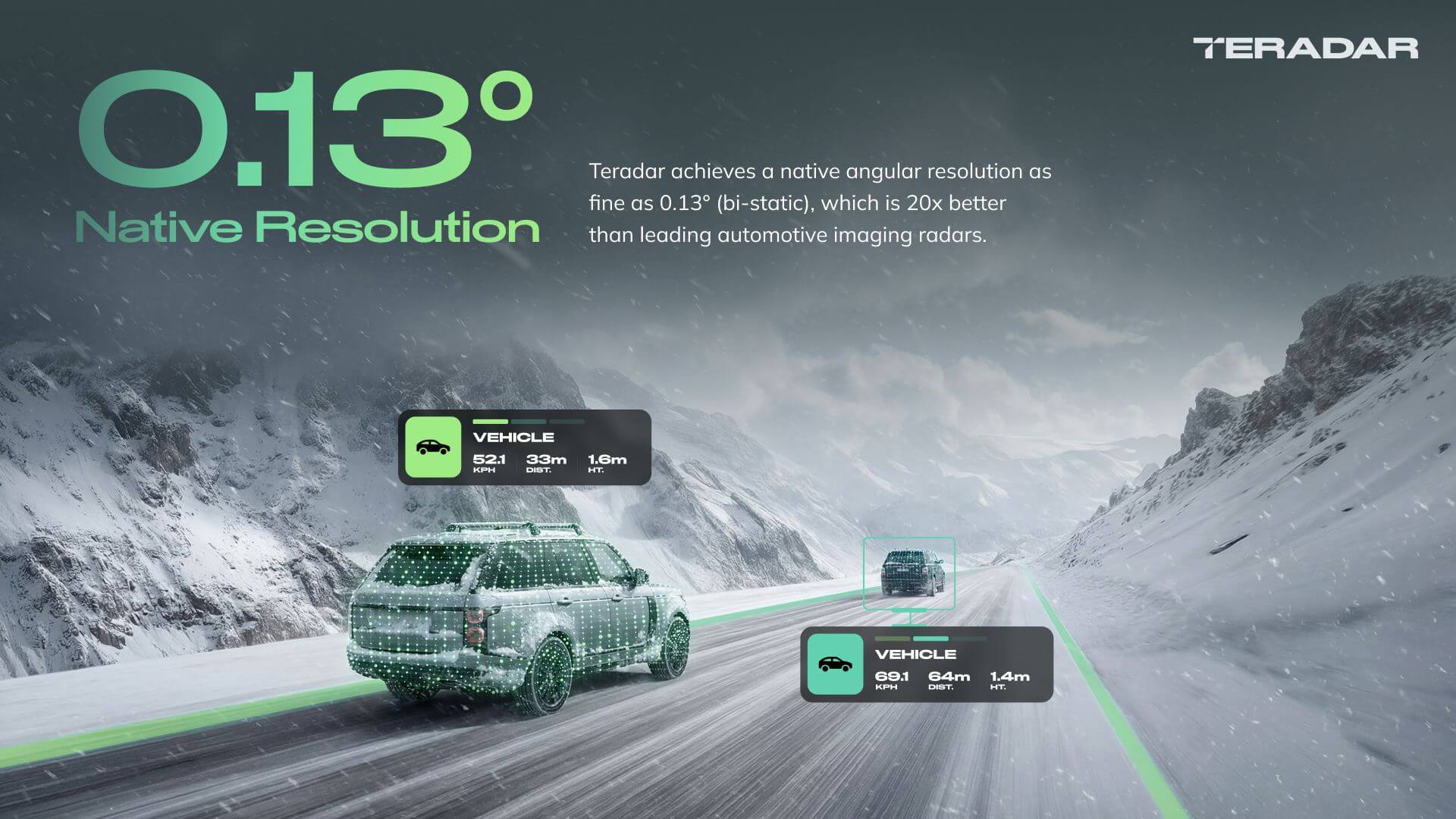
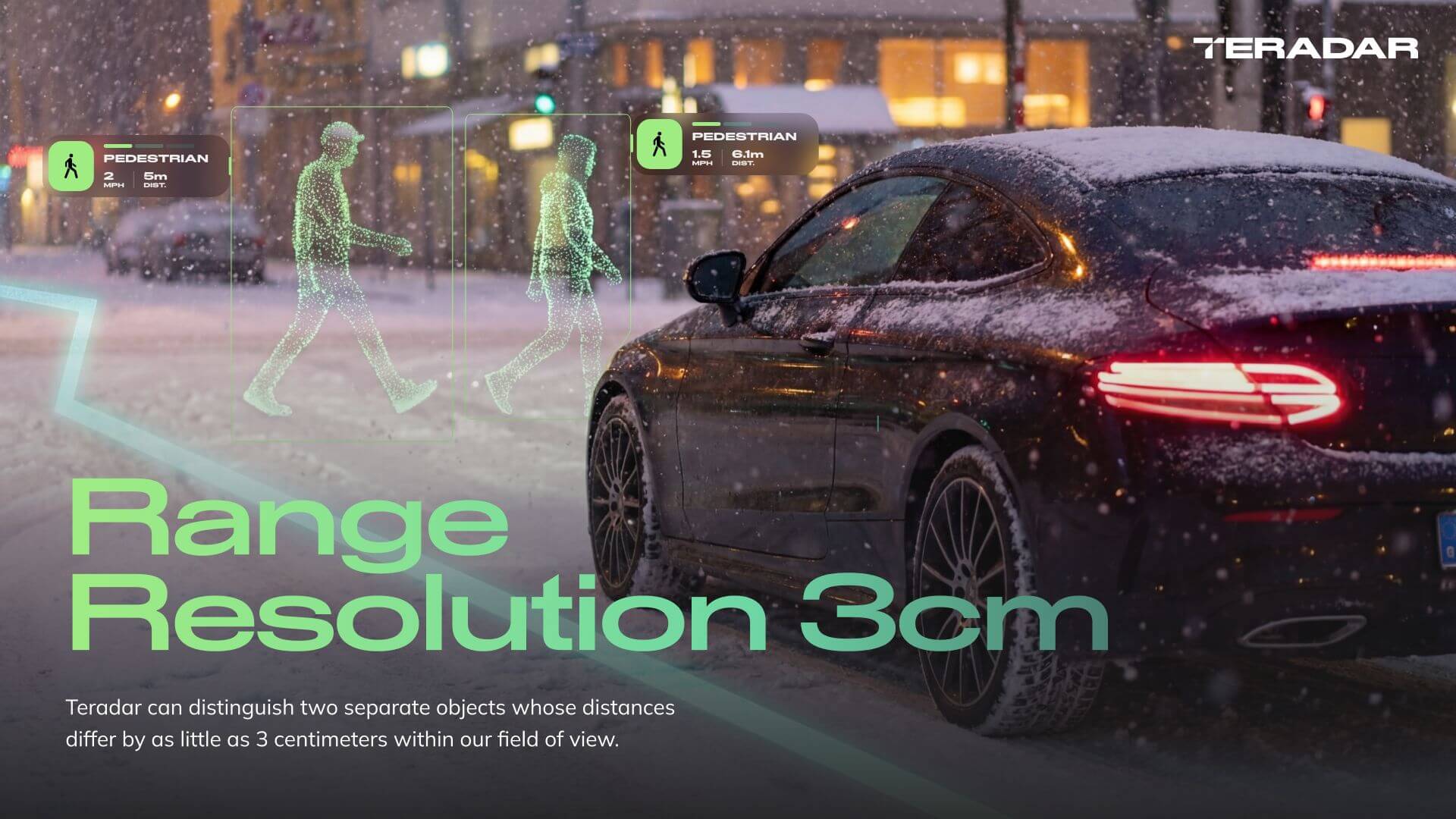
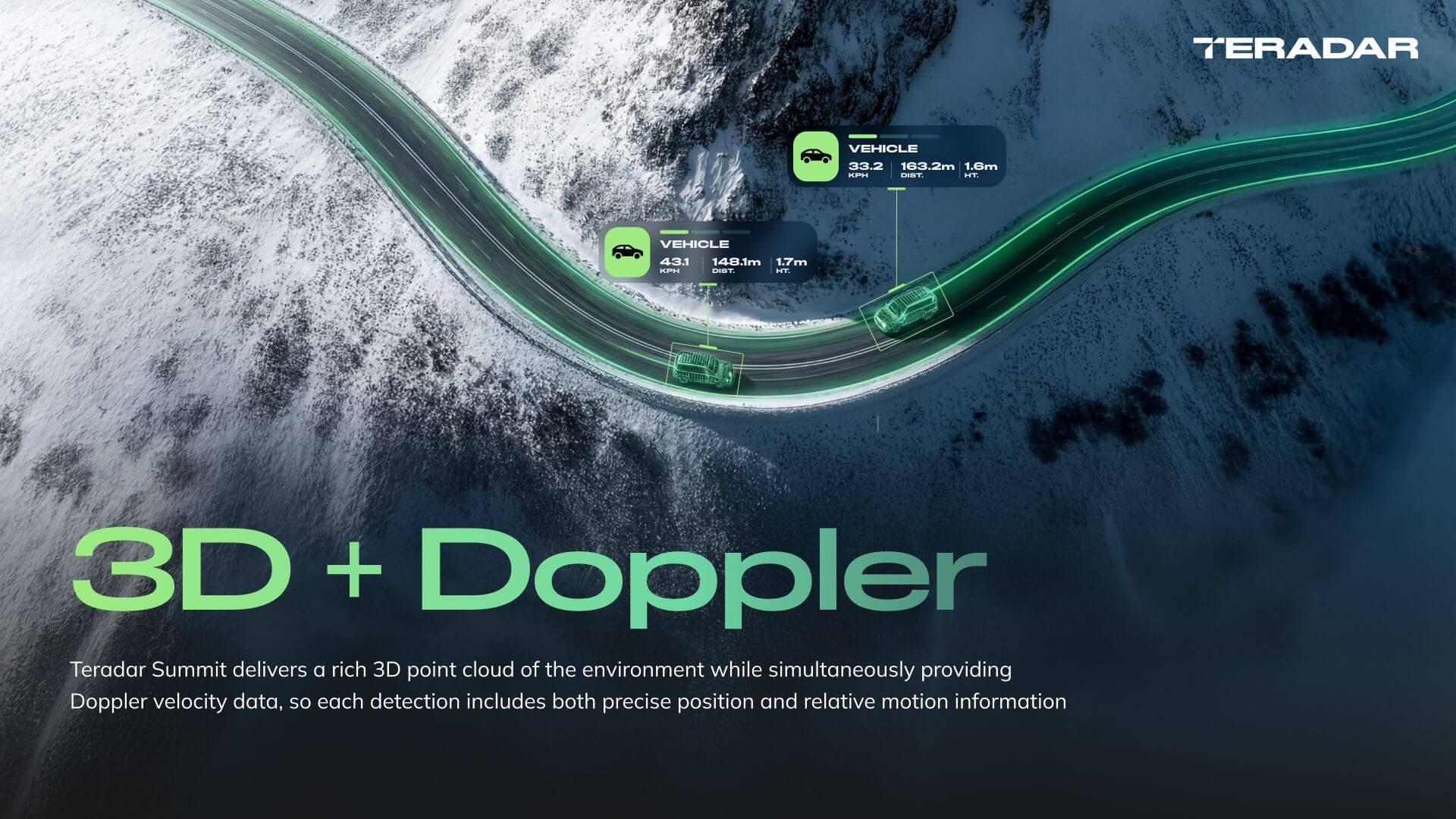
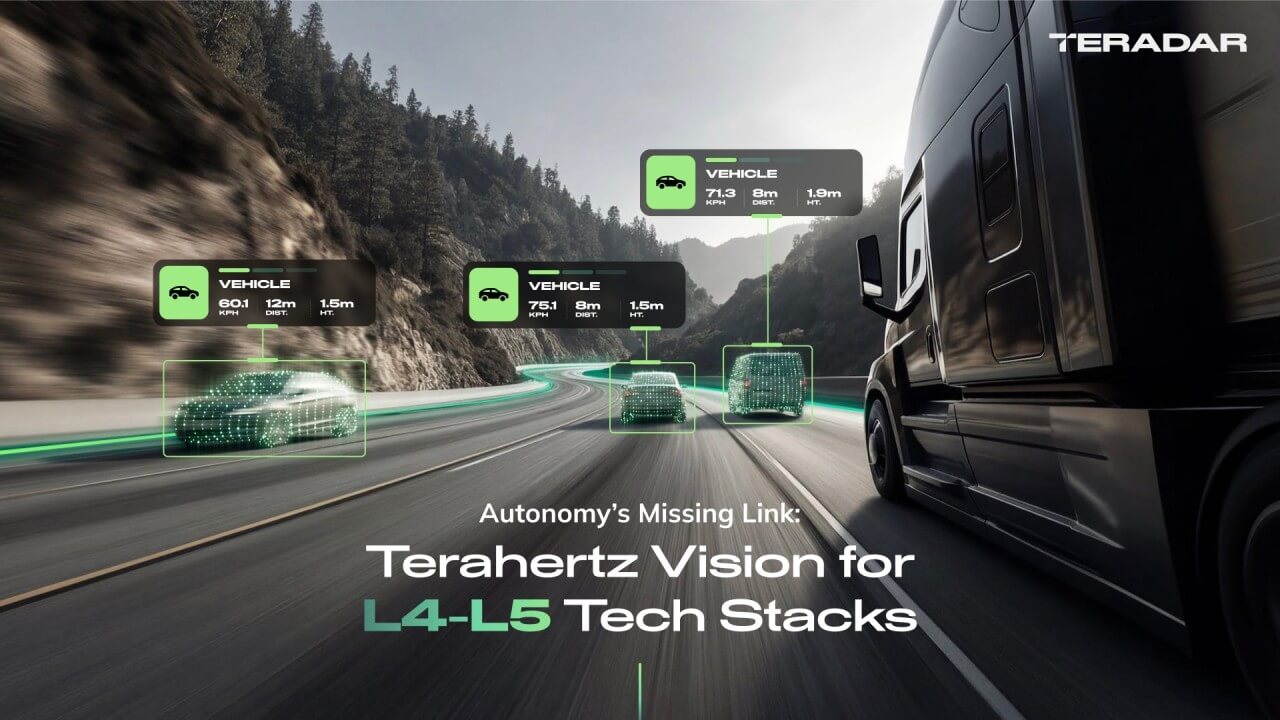
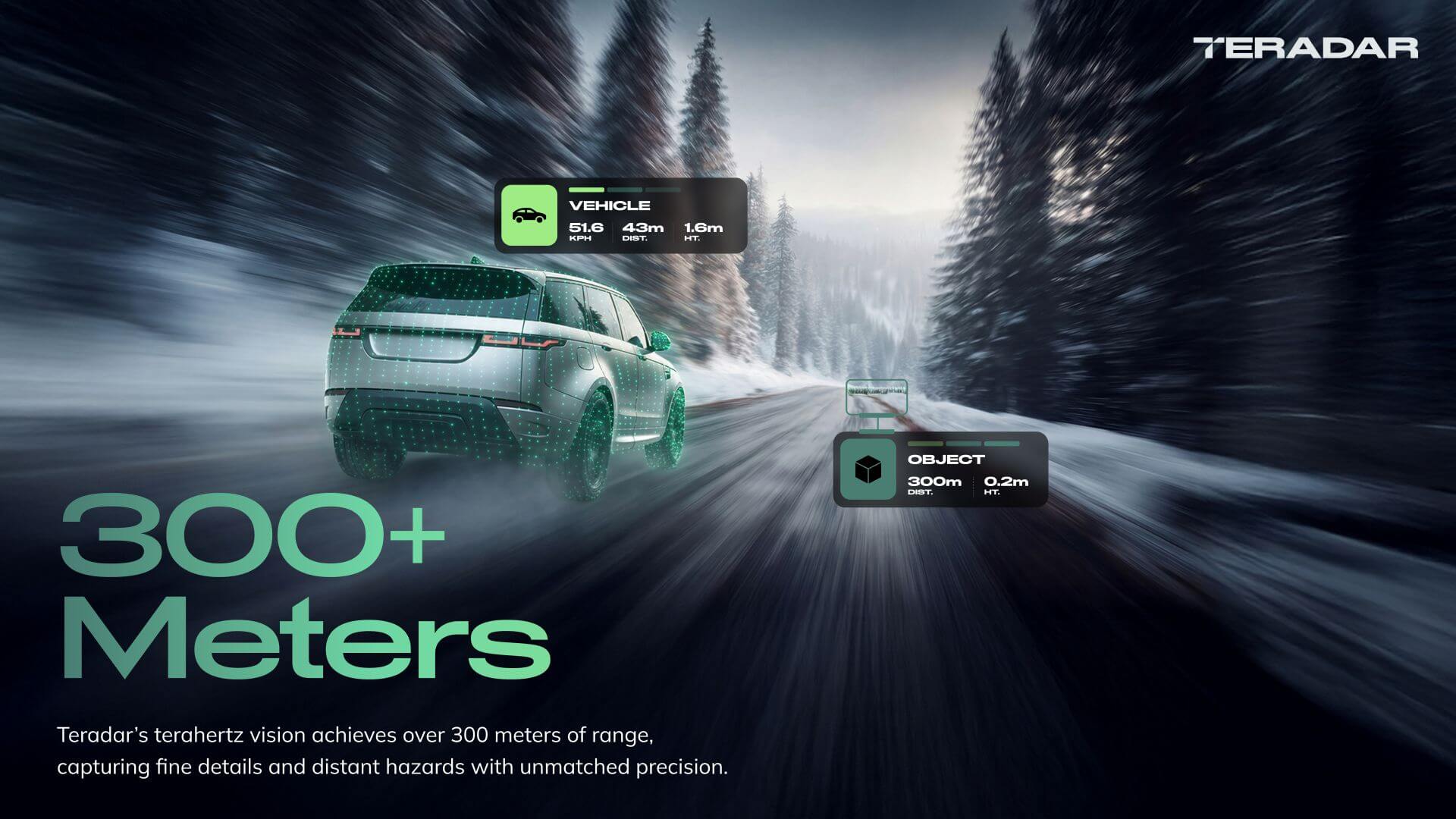
The core function of the Teradar system is to utilize its THz data to detect and interpret highly complex traffic scenarios: people crossing the street, car proximities from various directions, near-miss detection, and velocity tracking. The interface had to be a memorable, utilitarian interface where cognitive load was minimized, and data-to-action timewas instantaneous.
Our UI strategy was a direct visual interpretation of the THz data output, focusing on rendering crucial objects and movements with absolute clarity, as if seeing through the environmental noise.

Key UX/UI Decisions & Architectural Principles:
Visualization Inspired by THz Clarity:
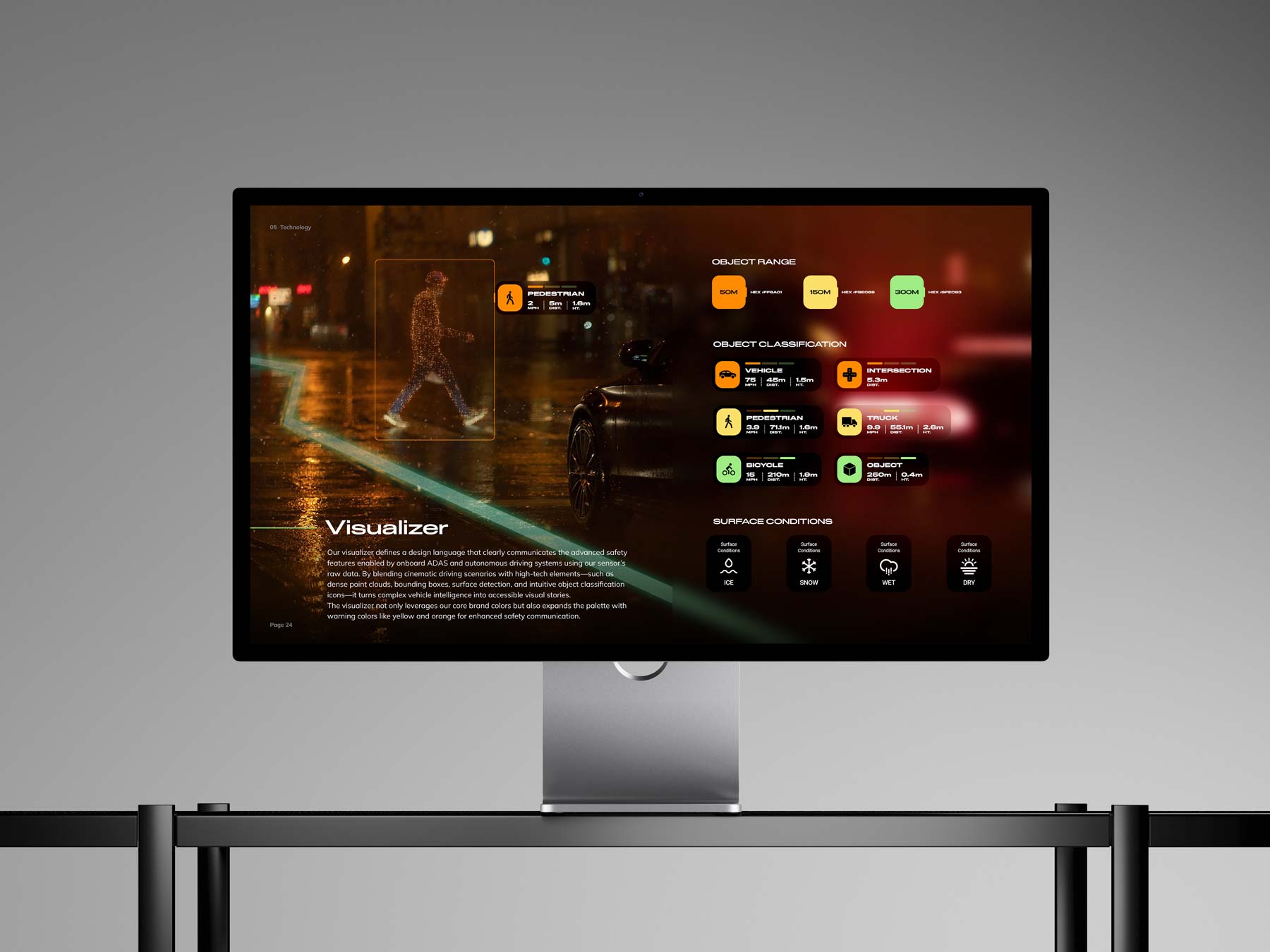
The "Scene Canvas": The operational screen was designed as a dynamic 2D projection. Critical objects (pedestrians, vehicles) were represented using clean, high-contrast glyphs and bounding boxes that communicate real-time proximity and vector based on the precision of the underlying THz sensor data.
Data Hierarchy & Progressive Disclosure: We prioritized the most critical actionable data (immediate alerts, velocity anomalies) at the highest visual layer. This de-cluttering strategy ensured the operator's focus remained on the THz-derived insights.
Color Coding for Cognitive Speed:
We implemented an accessible color palette where color directly mapped to status/risk, allowing for rapid, pre-attentive processing. This system translates the system's THz-backed assessment of risk into instant human understanding.
Cross-Platform Fidelity and Web Design Guidance:
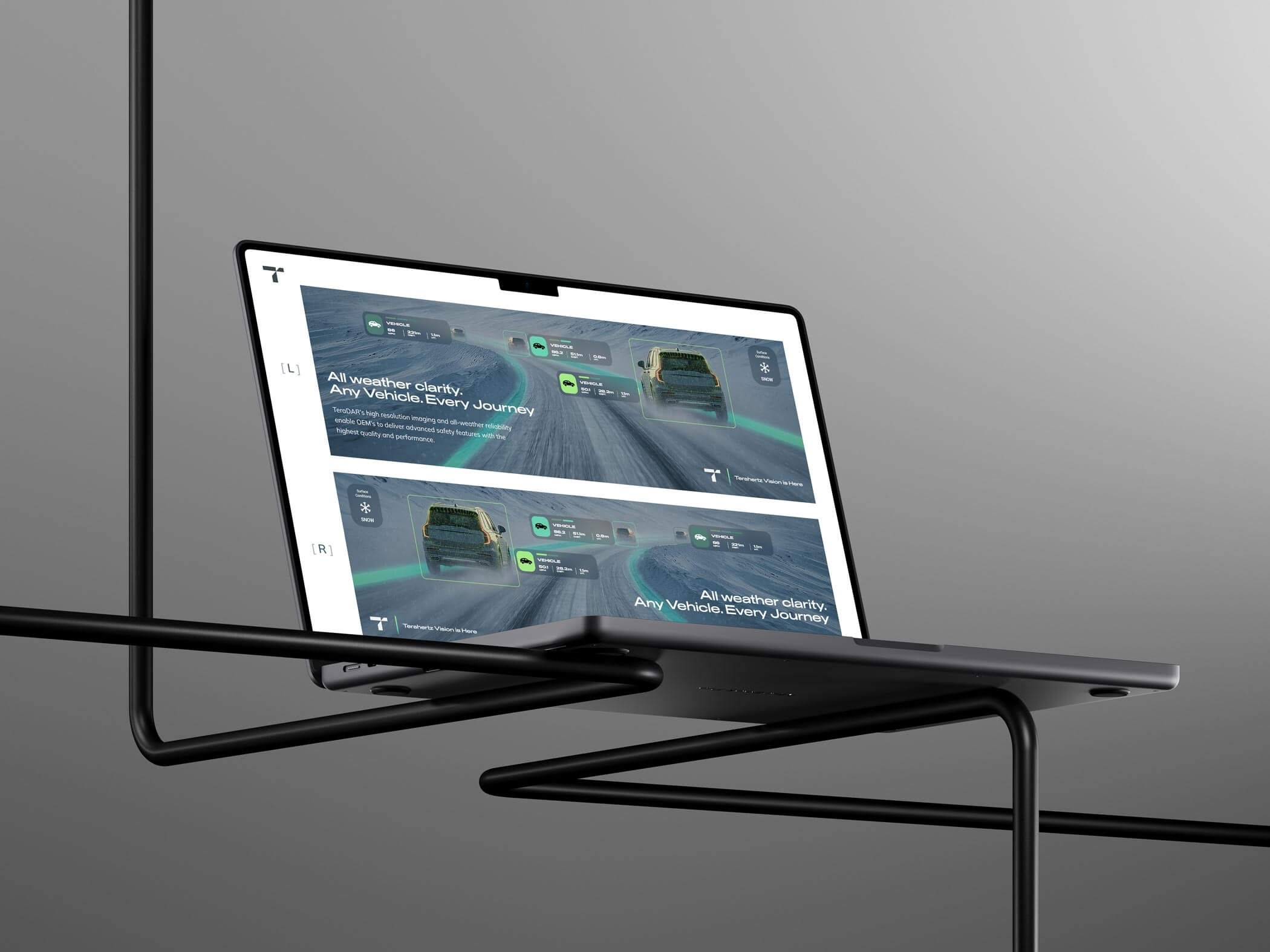
All of the creative output—the strategic color palette, the clean typographic hierarchy, the high-fidelity visualization principles, and the modular component structure—became the foundational Design System that directly guided the robust, responsive public-facing website design process.
This adherence to a single source of truth ensured brand consistency across the operational software (the product) and the corporate website (the marketing platform), reinforcing a singular, professional experience regardless of the user touchpoint.
The UX was engineered to be a Cognitive Extension of the operator. It is the sophisticated conduit through which Teradar’s THz-based AI translates sensor data into human-actionable insights.
Outcome
Design as the Financial lever to communicate Trust.
The meticulously crafted brand, scientifically-inspired aesthetic and high-fidelity interface served as a proof-point of the company's technological superiority and maturity.
Impact on Fundraising: The unified visual and functional system provided investor confidence by demonstrating a high level of product discipline and market readiness. The design was a clear, intuitive articulation of the complex THz technology.
Strategic Partnerships: The "trust-forward" brand perception was instrumental in establishing credibility with defense and aerospace partners like Lockheed Martin, where system reliability and professional communication derived from clear, precise design are essential.
Achieved Goal: Teradar successfully raised millions of dollars, validating the hypothesis that Strategic Design is a direct catalyst for business valuation and strategic success.
My design solution provided Teradar with the visual and functional language necessary to compete at the highest level, transforming their innovative THz technology into a brand that looks, feels, and operates like a market leader.
This revised case study strengthens the narrative by centering the design strategy on the Terahertz vision technology and confirming that these UI principles directed the responsive website design.